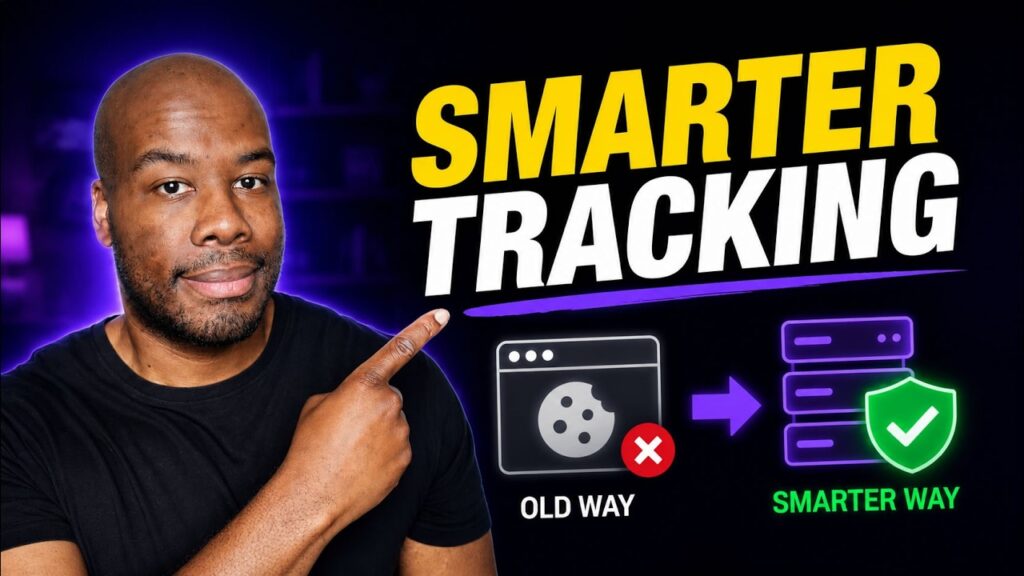
Google Ads Smart Bidding Change 2026: Why Your Best Campaigns Could Soon Perform Worse
If you’re running Google Ads campaigns with Target CPA or Target ROAS bidding, an important change is arriving on 17 August 2026 that could reduce the efficiency of your highest-performing campaigns—unless you prepare for it.
Google has announced an update to its Smart Bidding algorithm that will more closely align your actual performance with the targets you have set. While this might sound like a minor technical adjustment, it has significant implications for advertisers whose campaigns consistently outperform their CPA or ROAS goals.
In this guide, we'll explain what’s changing, who is affected, and what you should do to protect your campaign performance.
What Is Changing in Google Ads?
Until now, many advertisers have experienced campaigns that consistently performed better than their bidding targets.
For example:
- Your Target CPA is $60
- Your actual CPA averages $50
In this situation, your campaign is regularly acquiring conversions for less than you're willing to pay.
Following Google's update, Smart Bidding will increasingly attempt to bring your actual CPA closer to your target. Rather than continuing to deliver conversions at $50, Google will gradually optimise towards the $60 target you've instructed it to achieve.
The same principle applies to campaigns using Target ROAS.
Why This Matters
Many advertisers have treated their CPA or ROAS targets as rough guides rather than precise goals.
Historically, Smart Bidding often behaved predictably enough that:
- Lower CPA targets generally increased efficiency.
- Higher CPA targets generally increased volume.
- Actual performance didn't always exactly match the target.
This flexibility allowed marketers to use CPA targets as a way of influencing campaign behaviour while still benefiting from performance that exceeded expectations.
That is changing.
Google now intends for your bidding targets and your actual results to align much more closely.
Who Will Be Affected?
This update primarily affects advertisers whose campaigns consistently:
- Achieve a lower CPA than their Target CPA.
- Deliver a higher ROAS than their Target ROAS.
The key word is consistently.
Every campaign experiences daily fluctuations, so occasional periods of overperformance are completely normal. However, if your campaign has been outperforming its targets for several weeks or months, this change is likely to affect you.
Even if Google hasn't displayed a notification inside your account, you may still be impacted.
Don't Change Your Targets Too Early
One of the biggest mistakes advertisers could make is adjusting their CPA or ROAS targets before the update becomes active.
Google recommends waiting until 17 August 2026 before making changes.
Why?
Until the update is implemented, Smart Bidding still behaves under the existing rules. Changing your targets early could temporarily damage campaign performance because you're effectively altering a system that hasn't yet changed.
Instead, spend the time before the rollout analysing your data and preparing your strategy rather than making immediate adjustments.
What Happens If You Do Nothing?
Suppose your campaign currently looks like this:
| Target CPA | Actual CPA |
|---|---|
| $60 | $50 |
Today, you're enjoying better efficiency than expected.
After the update, Google will gradually push performance towards the $60 target you've provided.
That means you could experience:
- Higher cost per acquisition
- Reduced campaign efficiency
- More expensive conversions
Not because your campaign has become worse—but because Google is now following your stated target more precisely.
How to Prepare Before 17 August
The best approach is to review your campaigns now so you're ready to make informed changes once the update is live.
Review your historical performance
Look at your campaign performance over:
- The last 30 days
- The last 60 days
- The last 90 days
Ask yourself:
- Is my CPA consistently below target?
- Is my ROAS consistently above target?
- By how much?
This gives you a realistic picture of where your bidding targets may need adjusting after the rollout.
Decide Whether Your Current Efficiency Is Your New Goal
Many businesses have benefited from months—or even years—of outperforming their targets.
If your business has successfully operated with:
- a $50 CPA instead of $60,
- or a 700% ROAS instead of 600%,
then those figures may represent your true business objectives rather than temporary overperformance.
Following the update, you'll likely need to revise your bidding targets to preserve those results.
Don't Forget About Budget
One important aspect that many advertisers overlook is how campaign budgets interact with Smart Bidding.
If your campaign:
- has a large daily budget,
- regularly underspends,
- and consistently beats its CPA target,
then this update could have an additional consequence.
As Google moves your campaign closer to your stated CPA target, it may become eligible for more auctions.
That can lead to:
- increased daily spend,
- faster budget utilisation,
- higher overall advertising costs.
In other words, your CPA may increase while your campaign also spends significantly more.
That's why it's important to review both your bidding targets and your budget settings together.
Is This Change Good or Bad?
The answer is probably neither.
Google presents this update as a way to help advertisers manage campaigns more effectively.
There is some logic behind that.
If advertisers set a CPA target of $60, then it makes sense that Smart Bidding should aim to deliver approximately $60.
However, from the perspective of experienced advertisers, this isn't necessarily an improvement.
If your campaigns have been performing exceptionally well, you're now required to adjust your account simply to maintain the results you already had.
That creates additional work without introducing any new features or performance improvements.
How This Differs From Other Google Ads Changes
Some previous Google Ads updates have directly increased advertiser spending.
For example, changes to ad scheduling have previously allowed Google to redistribute your monthly budget across active days, potentially increasing daily spend even if ads weren't running every day.
This Smart Bidding update is slightly different.
For most advertisers, it isn't designed to increase Google's revenue directly.
Instead, it simply changes how accurately Smart Bidding follows the targets you've already provided.
For businesses with sensible CPA and ROAS targets, the impact may be relatively minor.
For businesses enjoying significantly better performance than their targets suggest, however, the effects could be substantial.
Best Practices Going Forward
As 17 August approaches, take the opportunity to audit your Smart Bidding campaigns.
Your checklist should include:
- Review CPA and ROAS performance over the last 30–90 days.
- Identify campaigns consistently outperforming their targets.
- Review daily budget utilisation.
- Avoid making target changes before 17 August.
- Prepare revised CPA or ROAS targets ready for implementation after the update if necessary.
- Monitor campaign performance closely once the rollout begins.
Being proactive will help preserve the efficiency you've worked hard to achieve.
Final Thoughts
Google's latest Smart Bidding update won't affect every advertiser equally.
If your campaigns already perform close to their bidding targets, you'll probably notice very little difference.
However, if you've been consistently outperforming your Target CPA or Target ROAS, failing to react could gradually reduce the efficiency of your campaigns as Google aligns actual performance with your configured targets.
The good news is that there's still time to prepare.
Review your campaign data now, understand where your true performance sits, and be ready to adjust your bidding strategy once the update takes effect. Taking a proactive approach will give you the best chance of maintaining the strong results you've already achieved.