5 Biggest Lessons from 13 Years of Running Google Ads Campaigns
After more than 13 years of managing Google Ads campaigns and overseeing millions in ad spend, one thing is clear: Google Ads has changed dramatically. What worked in 2011 often no longer works today, and many advertisers are still using outdated strategies that can actively hurt campaign performance.
Whether you are a business owner, freelancer, agency marketer or in-house PPC specialist, understanding the realities of modern Google Ads is essential if you want profitable results.
Here are five of the biggest lessons learned from over a decade of managing Google Ads campaigns — and how you can avoid the same costly mistakes.
1. Stop Making Changes Too Frequently
One of the most common mistakes advertisers make today is constantly changing campaigns based on short-term data.
Years ago, this behaviour made sense. Google Ads relied heavily on manual CPC bidding, and advertisers had to constantly intervene by:
- Adjusting bids manually
- Changing device modifiers
- Tweaking ad schedules
- Managing seasonal fluctuations
- Optimising CPCs regularly
Back then, campaigns required continuous manual oversight.
However, modern Google Ads operates very differently.
Smart Bidding Has Changed Everything
Google’s Smart Bidding algorithms now rely on machine learning and historical data patterns to optimise bids automatically. These systems need stability and consistent data to function effectively.
If you constantly make changes to campaigns, you interrupt the learning process.
This creates what many advertisers experience as:
- Performance volatility
- Poor bid optimisation
- Inconsistent conversion results
- Extended learning periods
Modern campaigns need time to settle.
Never Optimise Based on One Bad Day
A single day of poor performance does not mean your campaign is broken.
Even a bad week does not necessarily require immediate action.
Many advertisers panic when performance dips temporarily and start making aggressive adjustments too early. In reality, campaigns often recover naturally once the algorithm recalibrates.
Better optimisation practices include:
- Analysing data over several weeks
- Looking at monthly trends
- Avoiding emotional reactions to short-term fluctuations
- Allowing Smart Bidding time to adapt
The biggest lesson here is simple:
Modern Google Ads rewards patience more than constant intervention.
2. Understand the Numbers Behind the Business
Google Ads cannot fix a weak business model.
This is one of the most overlooked realities in PPC advertising.
Many business owners believe they understand their business performance, but when asked detailed operational questions, they often cannot answer them confidently.
The Metrics That Actually Matter
Before running or optimising campaigns, you must understand:
- Average order value (AOV)
- Profit margins
- Lead-to-sale conversion rates
- Customer acquisition cost
- Lifetime customer value
- Sales closing rates
- Revenue per lead
Without these figures, it is impossible to determine whether a campaign is truly profitable.
A Great Campaign Can Still Lose Money
You might achieve:
- Lower cost per lead
- Higher click-through rates
- More conversions
- Increased traffic
But if the economics of the business do not work, the campaign still fails.
For example:
- If your average order value is £100
- Your CPCs are £10
- Your conversion rate is low
- Your margins are thin
Then even excellent campaign management may not generate profit.
Google Ads Cannot Save a Bad Business
Over the years, countless operational problems have been discovered that negatively impacted advertising performance, including:
- Sales teams failing to follow up leads
- Poor customer reviews
- Weak service delivery
- Slow response times
- Broken sales processes
No amount of advertising can compensate for fundamental business weaknesses.
Successful advertisers always align:
- Business performance
- Marketing strategy
- Google Ads optimisation
The business comes first. Google Ads is simply a tool that amplifies what already exists.
3. Keep Your Google Ads Structure Simple
One of the biggest shifts in modern Google Ads is the move away from highly complex account structures.
In the past, advertisers built extremely granular campaigns using strategies such as:
- SKAGs (Single Keyword Ad Groups)
- Aggressive Quality Score optimisation
- Complex scripting systems
- Tight keyword segmentation
These methods worked years ago because Google’s automation was limited.
Today, many of these strategies are outdated.
Smart Bidding Prefers Simplicity
Modern Google Ads algorithms perform better when they have:
- Larger data pools
- Cleaner structures
- Broader signals
- Simplified account organisation
Over-segmenting campaigns can actually restrict algorithm performance.
Quality Score Obsession Is Largely Outdated
Many advertisers still spend excessive time trying to improve Quality Score from:
- 7/10 to 8/10
- 8/10 to 10/10
In reality, this rarely moves the needle significantly anymore.
Google’s ad ranking systems now consider far more complex variables than they did years ago.
If you improve genuinely important performance factors such as:
- Landing page quality
- Relevance
- Conversion rates
- User experience
Your Quality Score typically improves naturally anyway.
Automation Has Reduced the Need for Complex Tools
Even major PPC management platforms have struggled as automation improves.
This highlights an important trend:
Google Ads is increasingly about guiding automation, not manually controlling every detail.
The best-performing modern accounts are often:
- Simpler
- Cleaner
- Easier to manage
- Built around strong conversion data
The more unnecessary complexity you introduce, the more obstacles you place in front of Google’s bidding systems.
4. You Will Never Have Perfect Conversion Data Again
One of the hardest adjustments for experienced advertisers has been accepting the loss of perfect tracking data.
Years ago, advertisers could track nearly everything.
Today, privacy regulations and device fragmentation have changed the landscape entirely.
Privacy Has Changed Digital Advertising
Modern advertising is heavily impacted by:
- GDPR regulations
- Cookie consent requirements
- Apple privacy updates
- Cross-device behaviour
- Data restrictions
Users now regularly move between:
- Mobile devices
- Tablets
- Laptops
- Smart TVs
- Multiple browsers
Tracking every step of the customer journey is no longer realistic.
Platforms Now Use Conversion Modelling
Because complete tracking is impossible, platforms like Google Ads increasingly rely on:
- Machine learning
- Statistical modelling
- Estimated attribution
- Behavioural prediction
This means some reported conversions are effectively educated estimates based on historical behaviour patterns.
While this may sound concerning, it is now standard practice across digital advertising.
Focus on Improving Data Quality
Although perfect data is impossible, you can still strengthen your tracking setup through:
Enhanced Conversions
This helps Google recover additional conversion data using first-party information.
Consent Mode
Allows Google to model conversions even when users opt out of tracking.
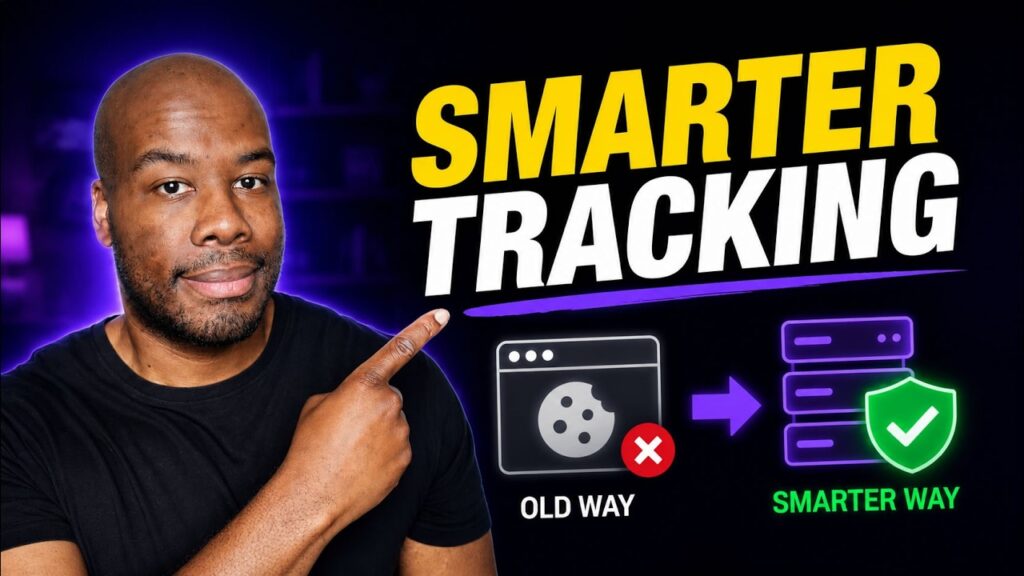
Server-Side Tagging
Improves data reliability by shifting tracking infrastructure away from the user’s browser.
These solutions will not eliminate tracking gaps completely, but they can improve optimisation significantly.
Marketing Efficiency Ratio (MER)
Many advanced advertisers now rely on broader business metrics like MER instead of trusting platform reporting entirely.
MER is calculated by dividing:
Total Revenue ÷ Total Marketing Spend
This provides a more holistic view of whether increased advertising spend is genuinely growing the business overall.
Sometimes platform-level ROAS may appear weaker while overall business revenue improves substantially.
That is the reality of modern advertising attribution.
5. Don’t Fear Change in Google Ads
Google Ads is constantly evolving.
The platform used today barely resembles the version advertisers used in 2011.
From Manual Control to AI Steering
Google Ads has shifted from:
- Manual bidding
- Tight keyword control
- Exact match precision
- Hands-on optimisation
Towards:
- Smart Bidding
- AI-driven automation
- Machine learning
- Broad intent targeting
The role of the advertiser has changed dramatically.
Today, success is less about controlling every variable and more about:
- Feeding good data into the system
- Structuring campaigns properly
- Guiding automation strategically
Keywords May Eventually Matter Less
Google continues pushing further towards automation.
Possible future developments may include:
- Reduced keyword control
- Increased AI targeting
- Automated audience discovery
- Website-context targeting
Many traditional PPC practices are already disappearing.
However, there is one critical advantage humans still maintain.
Strategy Still Matters
Google does not understand:
- Your business goals
- Your margins
- Your sales process
- Your customer psychology
- Your operational limitations
That strategic business understanding remains incredibly valuable.
The advertisers who succeed long-term will be those who combine:
- Strong marketing fundamentals
- Business knowledge
- Good data
- Smart automation management
Google Ads is simply a tool.
The real competitive advantage comes from understanding how to apply it effectively within the context of a real business.
Final Thoughts
The biggest lesson from over 13 years of managing Google Ads is this:
Success comes from adaptation.
The platform will continue evolving. Automation will continue increasing. AI will continue reshaping campaign management.
But advertisers who understand business fundamentals, maintain strong data practices and avoid outdated tactics will continue to succeed.
Modern Google Ads is no longer about micromanaging every click.
It is about:
- Strategic thinking
- Strong business understanding
- Patience
- Simplified account structures
- Feeding quality data into automated systems
The sooner advertisers embrace these changes, the better their long-term results will be.