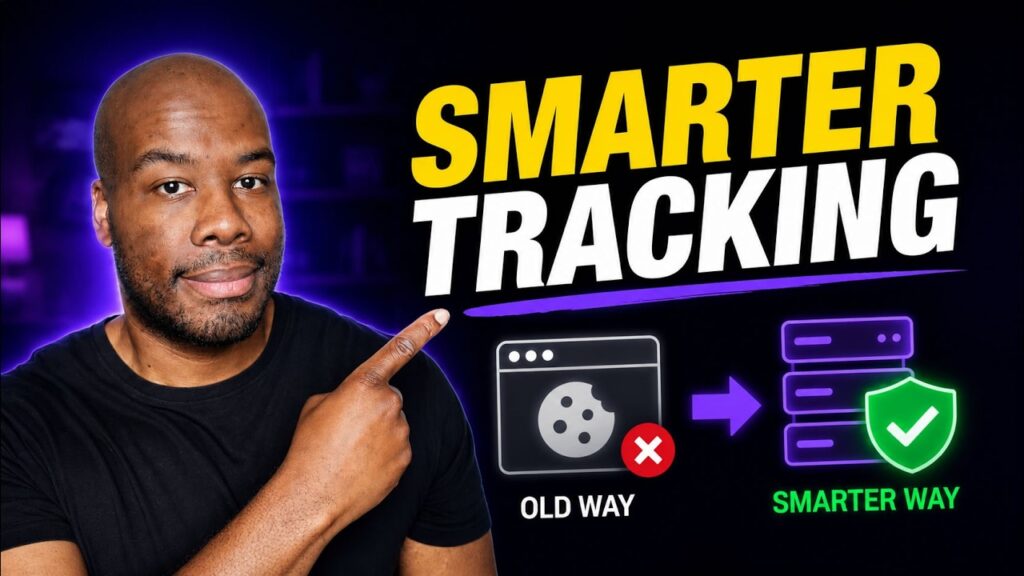
Google Consent Mode and Cookie Management: A Complete Guide for Google Ads and GA4
The digital marketing landscape is rapidly changing. Privacy regulations are becoming stricter, browsers are limiting tracking capabilities, and users are increasingly conscious about how their data is collected online. For businesses relying on Google Ads and Google Analytics 4 (GA4), understanding cookie management and consent mode is no longer optional — it is essential.
In this guide, we will break down everything you need to know about cookies, consent management platforms, Google Consent Mode, and how to set up a compliant tracking framework using Cookiebot and Google Tag Manager.
Why Privacy Compliance Matters More Than Ever
Over the past few years, privacy legislation has expanded significantly across the world.
Europe introduced GDPR, while the United States now has state-level privacy laws such as:
- California Consumer Privacy Act (CCPA)
- Colorado Privacy Act
- Texas privacy legislation
- Florida privacy regulations
- Oregon and Montana privacy frameworks
Google is also adapting its advertising and analytics platforms to comply with these regulations. If your business does not properly manage user consent, you may face:
- Restricted advertising capabilities
- Limited tracking functionality
- Potential account issues with Google Ads
- Legal compliance risks
Even small businesses are not exempt. Regulatory bodies are increasingly enforcing these rules, and Google is aligning its systems with these legal requirements.
What Are Cookies?
Cookies are small text files stored on a user’s browser or device when they visit a website. They are not standalone software programs but pieces of data that allow websites and marketing platforms to remember user behaviour.
When someone visits your website:
- The page loads
- A cookie is stored on the user’s browser or device
- Tracking systems such as GA4 use that cookie to monitor interactions
Cookies help platforms track:
- Page views
- Session duration
- Clicks and interactions
- Form submissions
- Purchases
- User journeys across the website
For example, GA4 assigns users a unique identifier so future visits and interactions can be analysed effectively.
Why Consent Management Is Necessary
Privacy legislation requires businesses to give users control over how their data is collected and used.
This means users must be able to:
- Accept tracking
- Reject tracking
- Customise tracking preferences
To manage this process, businesses use a Consent Management Platform (CMP) such as Cookiebot.
A CMP acts as the intermediary between the user and your tracking technologies, ensuring cookies only fire when appropriate consent is granted.
The Different Types of Cookies
Understanding cookie categories is crucial when setting up consent management.
1. Necessary Cookies
These cookies are essential for website functionality and cannot typically be disabled.
Examples include:
- Shopping basket functionality
- Login authentication
- Basic site navigation
Without necessary cookies, many websites would simply stop working correctly.
2. Preference Cookies
Preference cookies remember user settings and preferences, such as:
- Language choices
- Currency selection
- Interface customisation
- Dismissed pop-ups
These improve user experience but are not essential for functionality.
3. Statistics Cookies
Statistics cookies collect analytics data to help businesses understand website performance and visitor behaviour.
Examples include:
- Google Analytics 4
- Session tracking
- Behaviour flow analysis
These are especially important for marketers seeking performance insights.
4. Marketing Cookies
Marketing cookies are used for advertising and conversion tracking.
Examples include:
- Google Ads conversion tracking
- Facebook Pixel
- Personalised advertising systems
Users may opt out of these cookies, which can reduce the accuracy of campaign measurement.
5. Unclassified Cookies
Some cookies cannot immediately be categorised and remain temporarily unclassified until properly identified.
What Does a Cookie Banner Actually Do?
A cookie banner gives users control over tracking preferences when they visit your website.
Most banners include options such as:
- Allow all
- Deny all
- Customise settings
When users customise settings, they can selectively enable or disable categories such as:
- Preferences
- Statistics
- Marketing cookies
This is the foundation of privacy compliance online.
Why Google Tag Manager Is Essential
Google Tag Manager (GTM) simplifies tracking implementation and makes consent management significantly easier.
Instead of manually hardcoding tracking scripts onto your website, GTM allows you to manage everything centrally.
Benefits include:
- Easier tag management
- No developer needed for most updates
- Better organisation
- Simpler troubleshooting
- Improved consent integrations
Most importantly, GTM allows your consent management platform to dynamically control which tags fire based on user consent.
Setting Up Google Analytics and Google Ads in GTM
Before implementing consent management, your tracking setup should ideally run through Google Tag Manager.
The process includes:
Google Analytics 4 Setup
- Create a GA4 property
- Create a data stream
- Copy the Measurement ID
- Add a Google Analytics tag in GTM
- Trigger the tag on all pages
Google Ads Conversion Tracking
- Create a conversion action in Google Ads
- Retrieve:
- Conversion ID
- Conversion Label
- Add a Google Ads Conversion Tracking tag in GTM
- Create appropriate triggers
- Add a Conversion Linker tag
Once these tags are inside GTM, Cookiebot can properly manage them based on user consent.
How to Set Up Cookiebot
The next step is implementing your consent management platform.
Step 1: Scan Your Website
Cookiebot scans your site to identify:
- Existing cookies
- Cookie categories
- Compliance risks
The scan helps determine which tracking technologies are active.
Step 2: Configure Your Cookie Banner
Cookiebot allows extensive customisation, including:
Banner Layout
Options include:
- Bar layout
- Dialogue layout
A minimal bottom bar is generally less disruptive for users.
Branding and Design
You can customise:
- Colours
- Buttons
- Logos
- Fonts
- Branding elements
Many businesses make the “Allow All” button visually prominent to maximise consent rates.
Consent Types
Cookiebot offers two major approaches:
Explicit Consent
Users must actively opt in before non-essential cookies fire.
This is the safest compliance option.
Implied Consent
Tracking may begin unless users actively opt out.
This approach gathers more data but carries higher compliance risk depending on your jurisdiction.
Implementing Cookiebot Through Google Tag Manager
Once your banner settings are configured:
- Open Google Tag Manager
- Create a new tag
- Use the Cookiebot community template
- Paste your Cookiebot ID
- Enable Consent Mode
- Trigger the tag on all pages
- Publish the container
Once published, your cookie banner should appear live on the website.
What Is Google Consent Mode?
Consent Mode allows Google tags to adapt based on the user’s privacy choices.
Rather than simply turning tracking completely on or off, Consent Mode intelligently adjusts how data is collected.
This creates a balance between:
- User privacy
- Marketing performance
- Conversion tracking accuracy
How Consent Mode Works
When users deny analytics or advertising cookies:
- Google limits tracking
- Full cookies are not stored
- Personalised advertising is disabled
However, Consent Mode still allows Google to collect limited anonymous signals.
These signals enable:
- Conversion modelling
- Behaviour estimation
- Aggregated reporting
This helps advertisers recover some of the data lost due to cookie rejection.
What Is Conversion Modelling?
Conversion modelling allows Google to estimate conversions that cannot be directly tracked because users opted out of cookies.
Google analyses:
- Historical conversion patterns
- Anonymous behavioural data
- Aggregate trends
It then estimates likely conversions based on statistical modelling.
This is especially valuable because:
- Smart bidding relies heavily on conversion data
- Reduced tracking can hurt campaign performance
- Modelled conversions help fill data gaps
Minimum Requirements for Modelled Conversions
Google Ads requires sufficient traffic volume before modelling becomes effective.
The threshold mentioned in the tutorial is:
- 700 ad clicks every 7 days
- Per domain and country
Smaller advertisers may therefore see less benefit initially.
Configuring Consent Settings in GTM
To activate Consent Mode properly:
For GA4 Tags
Inside GTM:
- Open your GA4 tag
- Go to Advanced Settings
- Open Consent Settings
- Require consent for:
- Analytics Storage
For Google Ads Tags
Require consent for:
- Ad Storage
- Ad User Data
This ensures Google tags behave correctly according to the user’s consent choices.
How to Test Your Consent Setup
Testing is critical to ensure everything works correctly.
Check Cookie Behaviour
Using your browser developer tools:
- Open Inspect
- Navigate to Application > Cookies
- Observe which cookies fire before consent
- Accept cookies
- Confirm tracking cookies now appear
Validate Consent Mode in GTM
Using GTM Preview Mode:
- Open Preview
- Connect your site
- Accept or reject consent options
- Watch consent states update live
You should see consent updates for:
- Marketing
- Statistics
- Preferences
This confirms Consent Mode is functioning properly.
Preparing for a Privacy-First Internet
The future of digital marketing is privacy-focused.
Businesses that prepare now will be in a far stronger position as:
- Third-party cookies continue disappearing
- Privacy laws expand globally
- Tracking becomes more restricted
- Google increases enforcement
Implementing:
- Proper consent management
- Google Tag Manager
- Cookiebot
- Consent Mode
will help future-proof your advertising and analytics infrastructure.
Final Thoughts
Cookie management and consent mode are no longer advanced optional features — they are becoming core requirements for any business running digital advertising.
By implementing a proper consent framework, businesses can:
- Stay compliant
- Protect advertising performance
- Improve tracking accuracy
- Build user trust
- Prepare for future privacy regulations
The earlier you adapt, the easier the transition will be as the internet moves toward a more privacy-focused future.