Enhanced Conversions in Google Ads: Why They Matter More Than Ever
Privacy changes are reshaping digital advertising. Between GDPR, cookie restrictions, and users increasingly opting out of tracking, advertisers are losing valuable conversion data every single day. Even if your Google Ads conversion tracking is set up correctly, chances are your campaigns still are not seeing the full picture.
This is where enhanced conversions come in.
Enhanced conversions help advertisers recover missing conversion data by using first-party customer information securely and responsibly. In this guide, we will explain what enhanced conversions are, how they work, why they matter, and how to implement them correctly on your website.
What Are Enhanced Conversions?
Enhanced conversions are a Google Ads feature that allows advertisers to send first-party customer data — such as names, email addresses, and phone numbers — back to Google when a conversion takes place.
Google then uses this information to improve conversion measurement and attribution, even when traditional tracking methods fail because users have opted out of cookies or tracking.
In simple terms, enhanced conversions help fill in the gaps caused by modern privacy restrictions.
This gives Google Ads more accurate conversion data, which leads to:
- Better reporting
- Improved machine learning
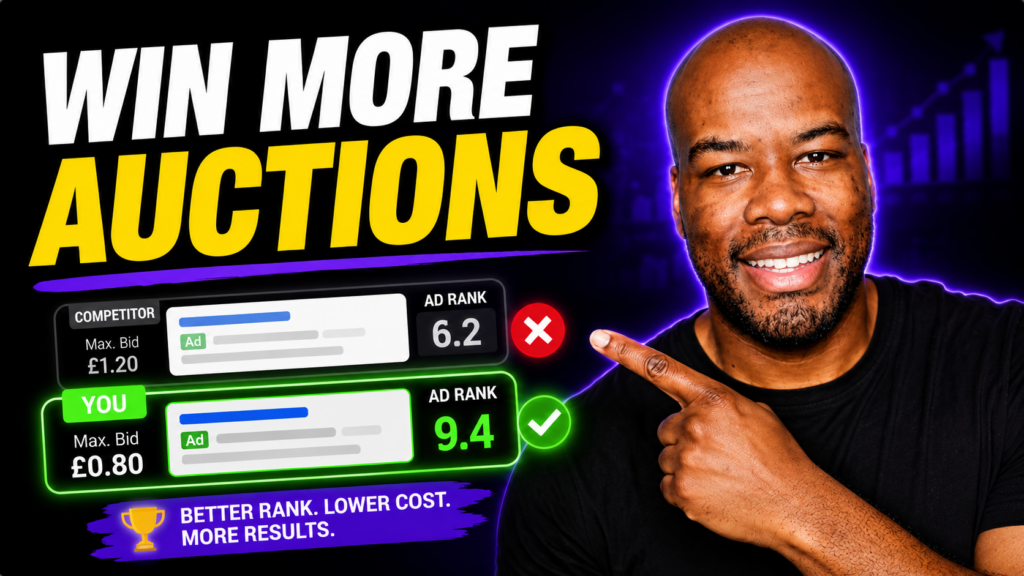
- More accurate smart bidding
- Stronger campaign performance
Why Google Ads Conversion Tracking Is Losing Data
The online advertising world has changed dramatically over the past few years.
Today, many users:
- Block cookies
- Browse anonymously
- Use privacy-focused browsers
- Decline tracking consent banners
At the same time, privacy laws such as GDPR require businesses to give users the option to reject tracking technologies.
The result is simple:
Your Google Ads account is likely underreporting conversions.
That missing data impacts Google's bidding algorithms because smart bidding relies heavily on accurate conversion signals. If Google receives incomplete data, it becomes harder for the platform to optimise campaigns effectively.
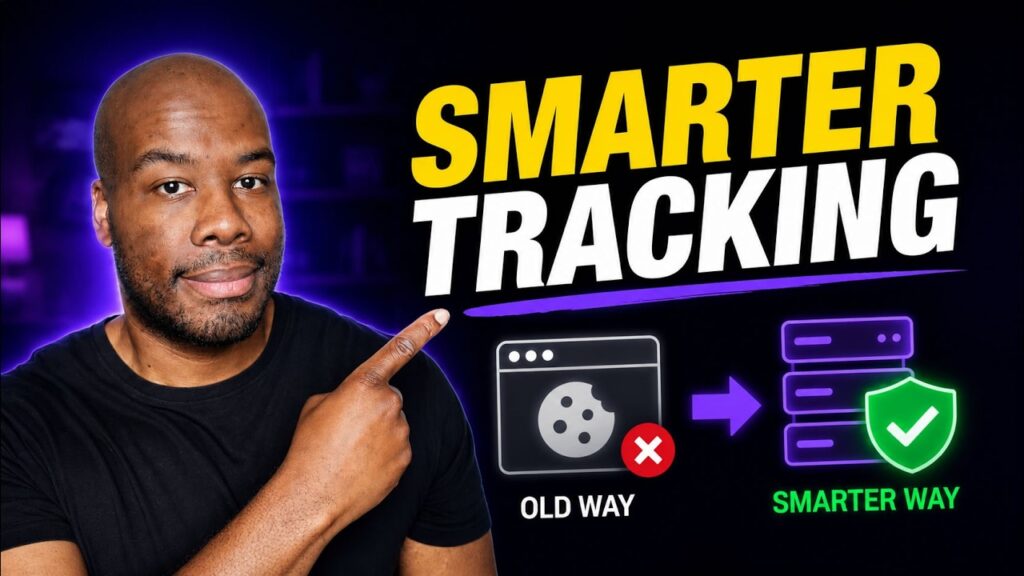
Enhanced conversions solve part of this problem by helping Google verify conversions using secure first-party data instead of relying solely on cookies.
How Enhanced Conversions Work
To understand enhanced conversions properly, let’s walk through a common example.
Imagine a visitor lands on your website and completes a lead form containing:
- Name
- Email address
- Phone number
Normally, if that user has opted out of tracking, Google Ads may not record the conversion correctly.
With enhanced conversions enabled, the process changes.
Step 1: The User Submits a Form
A visitor fills out your form and submits their details.
These details become your first-party data.
Step 2: The Data Is Hashed
Before the information is sent to Google, it is transformed using a process called hashing.
Hashing converts the personal information into a random string of characters and numbers.
This means:
- Google does not receive plain-text customer information
- The process is privacy-safe
- Sensitive data remains protected
Step 3: Google Matches the Data
Google compares the hashed information against its own logged-in user database.
If Google can match the hashed information to a known Google user, it can confirm that a conversion took place.
This allows Google Ads to attribute the conversion correctly — even if traditional tracking methods failed.
Step 4: The Conversion Is Added to Google Ads
Once verified, Google records the conversion inside your Google Ads account.
In practical terms, this means your campaigns gain additional conversion data that would otherwise have been lost.
Why Enhanced Conversions Matter
Enhanced conversions are becoming increasingly important because modern advertising platforms rely heavily on machine learning.
Google’s smart bidding systems use conversion data to:
- Identify high-quality traffic
- Adjust bids automatically
- Improve lead quality
- Maximise return on ad spend
The more accurate your conversion data is, the better Google can optimise your campaigns.
Without enhanced conversions, your campaigns may:
- Underreport leads
- Optimise towards incomplete data
- Make poor bidding decisions
- Struggle to scale efficiently
Enhanced conversions help close those gaps.
Methods for Setting Up Enhanced Conversions
There are several ways to implement enhanced conversions depending on your website setup and technical resources.
1. Automatic Google Tag Detection
This is the easiest method.
If your website forms are built in a way Google can easily read, the Google tag may automatically detect the form fields and collect the necessary data.
In this scenario:
- No custom development is required
- Setup is quick
- Enhanced conversions can begin working almost immediately
Unfortunately, this only works for a limited number of websites.
2. Google Tag Manager Implementation
For many businesses, the next option is to use Google Tag Manager (GTM).
A developer can create a custom script inside GTM that:
- Captures form data
- Hashes the information
- Sends it securely to Google Ads
This is one of the most common implementation methods because it offers flexibility without needing extensive backend development.
3. Direct API Integration
The most advanced option is a direct API implementation.
In this setup, a developer writes custom code that sends enhanced conversion data directly to Google using the Google Ads API.
This approach is often used for:
- Custom websites
- Complex CRM systems
- Advanced lead tracking setups
While highly effective, it does require development expertise.
Should You Set This Up Yourself?
For most business owners, the answer is probably no.
Enhanced conversions involve:
- JavaScript implementation
- Tag management
- Data handling
- Privacy considerations
- Technical testing
If you are not experienced with development work, attempting to build this yourself can quickly become frustrating and time-consuming.
In most cases, it is better to:
- Hire a developer
- Use a freelancer
- Brief a technical specialist properly
A skilled developer can often implement enhanced conversions very quickly.
What to Tell Your Developer
When briefing a developer, make sure they understand that you need:
- Enhanced conversions enabled for Google Ads
- Form field data captured securely
- Data hashed correctly before transmission
- Integration tested properly
- Diagnostics verified inside Google Ads
The transcript also recommends using a prepared implementation brief or template when outsourcing the work to ensure it is completed correctly the first time.
How to Check if Enhanced Conversions Are Working
Once setup is complete, you need to verify the implementation.
There are two main ways to do this.
Technical Verification
Developers can inspect the implementation using Google Chrome Developer Tools and confirm that hashed data is being transmitted correctly.
However, this method is more technical.
Google Ads Diagnostics
The easier option for most advertisers is to use Google Ads diagnostics.
To check:
- Open Google Ads
- Navigate to Conversions
- Select Diagnostics
If enhanced conversions are working correctly, Google will confirm it there.
This is the simplest way to validate your setup.
The Future of Google Ads Tracking
Privacy-first advertising is not going away.
As cookie tracking becomes less reliable, advertisers will need stronger first-party data strategies to maintain campaign performance.
Enhanced conversions are one of the easiest and most effective ways to improve:
- Conversion tracking accuracy
- Smart bidding performance
- Campaign optimisation
- Lead attribution
Businesses that fail to adapt may find themselves operating with increasingly incomplete data.
Final Thoughts
Enhanced conversions are no longer an optional extra for serious Google Ads advertisers.
They are quickly becoming an essential part of modern conversion tracking.
By securely using first-party customer data, enhanced conversions help advertisers recover lost conversion signals and give Google’s machine learning systems more accurate information to work with.
The result is:
- Better reporting
- Smarter bidding
- More reliable optimisation
- Improved campaign performance
If you are running Google Ads and have not yet implemented enhanced conversions, now is the time to start.